

-1.png)
Brand archetypes matter because they give brands a clear, human personality that guides every customer interaction, especially as experiences span multiple locations and touchpoints. In an environment where consistency, emotional connection, and memorability drive loyalty, archetypes act as a strategic anchor rather than a branding exercise.
For modern brands, archetypes are not about theory or visuals alone. They are a practical framework that aligns teams, shapes experiences, and ensures customers feel the same brand identity wherever they encounter it.
How Do Brand Archetypes Shape Familiar Customer Experiences?
Ever walk into a store you’ve never been to before... but somehow it feels familiar? The music's on point, the signage speaks your language, and even the smell has a vibe. That’s not magic. It’s a brand that knows exactly who it is.
Welcome to the world of brand archetypes. It's the not-so-secret sauce behind memorable customer experiences, especially when you’ve got multiple locations to keep consistent.
What Exactly Is a Brand Archetype?
A brand archetype is the personality your brand expresses to the world. The shortcut to helping people understand who you are, what you stand for, and why they should care. But, it seems to happen all without saying a word.
What Are the Core Brand Archetypes Brands Can Align With?
There are 12 classic archetypes. You might be:
- The Hero – bold, determined, and out to make a difference
- The Caregiver – nurturing, generous, and always putting others first
- The Explorer – curious, adventurous, and thrives on freedom
- The Creator – imaginative, expressive, and driven to build something meaningful
- The Ruler – confident, responsible, and all about order and control
- The Magician – visionary, intuitive, and makes the impossible feel easy
- The Lover – passionate, warm, and focused on connection and beauty
- The Jester – playful, fun, and loves to bring joy
- The Sage – wise, analytical, and always seeking truth
- The Innocent – optimistic, honest, and focused on doing the right thing
- The Everyman – relatable, down-to-earth, and all about belonging
- The Rebel – bold, disruptive, and here to challenge the status quo
Think of it like your brand’s north star, guiding everything from your tone of voice and visuals to your in-store music, messages and displays.
Why Do Brand Archetypes Matter for Multi-Site Brands?
If you’ve got more than one store, location, studio, or venue, keeping things consistent can be... well, chaotic. That’s where knowing your archetype helps.
How Do Brand Archetypes Enable Consistency Without Being Cookie-Cutter?
Knowing and executing on your archetype keeps your brand feeling the same across every site, even if the layout, staff, or city is different.
How Do Brand Archetypes Speed Up Decision-Making?
Would a Rebel say that? Would a Caregiver run that promo? Your archetype gives your team a creative compass.
Why Do Archetype-Led Brands Feel More Natural to Customers?
People are drawn to brands that feel human. Archetypes tap into psychology and emotion, making your brand relatable, not robotic.
Why Are Brand Archetypes More Than Just Logos and Visuals?
It’s not just your colours and fonts. Your archetype shapes the music, scent, messaging, campaigns, screen content, and vibe customers experience every time they walk in.
How Do Brand Archetypes Empower Teams on the Ground?
Your staff become part of the story too. When they know the personality behind the brand, it’s easier to live it, and deliver it, every day.
How Does an Explorer Archetype Come to Life in Practice?
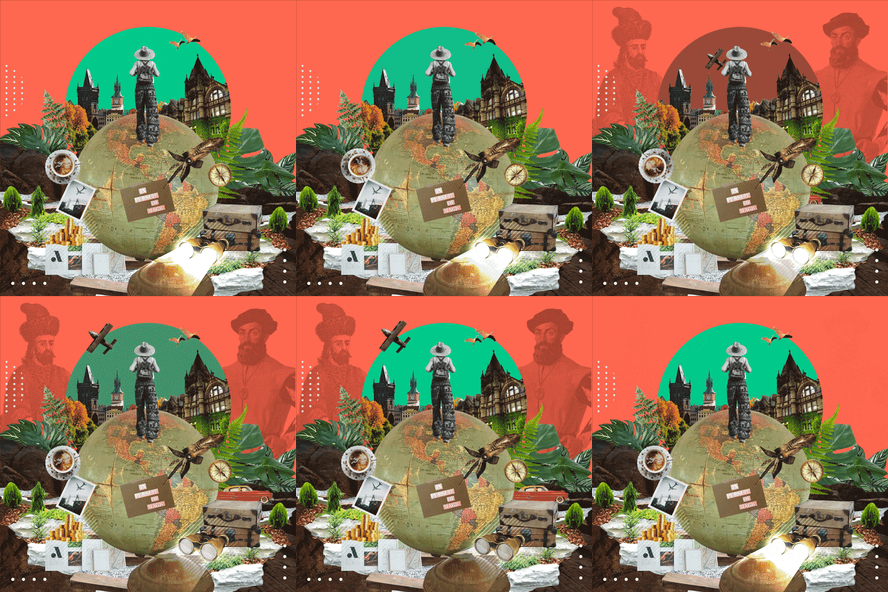
Let’s say your brand is an Explorer. That might look like:
-
Upbeat, adventurous music in-store
-
Aromas that remind people of the outdoors
-
Messaging that’s all about discovery
-
Staff trained to guide, not push
-
A digital screen showing your next product drop or campaign journey
From Sydney to San Fransisco, every store feels like a step into the unknown...in the best possible way.
What If You’re Not Sure Which Archetype Fits Your Brand?
Don’t worry. We made a quick quiz to help you figure it out. It's fun, fast, and kinda freaky how accurate it is.
[Take the Brand Archetype Quiz] and meet your brand’s personality.
What’s the Final Takeaway on Brand Archetypes and Experience Design?
In-store experiences aren’t just about looking good. They’re about feeling right, across every site, every scent, every song, and every screen. Your archetype helps bring it all together.
Frequently Asked Questions
What is a brand archetype in simple terms?
A brand archetype is the personality framework that defines how a brand behaves, communicates, and feels to customers.
Why are brand archetypes important for multi-location brands?
They provide a consistent emotional and experiential guide across locations, even when teams, layouts, or cities differ.
Are brand archetypes only relevant for marketing teams?
No. Archetypes influence decisions across operations, customer experience, staff behaviour, and in-store environments.
Can a brand have more than one archetype?
Most brands lead with one primary archetype and may express secondary traits, but clarity comes from a dominant identity.
How do brand archetypes influence in-store experience?
They guide music, scent, messaging, visuals, tone of voice, and how staff interact with customers.
How often should brands revisit their archetype?
Archetypes are long-term anchors, but brands should reassess alignment during major growth, repositioning, or expansion phases.
%20(9)-1.png)
The Secret Language of Retail Brands
The Art of Scent Branding: Building a Stronger Emotional Connection with Customers
%20(7)-1.png?width=1417&height=826&name=Storeplay%20Blog%20Images%20(New%20Blog)%20(7)-1.png)