

.png)
Most multi-site retail brands juggle separate systems for music, scent, digital signage, and retail media. That fragmented setup creates inconsistency, extra work, and gaps between your brand’s intent and what customers actually see and hear. Treating your in-store environment as a single operating system is the only way to control every location with precision and turn consistent execution into measurable revenue. Here’s why one platform is the practical step you need to regain control and drive impact across your store network.
The Problem with Fragmented Tools
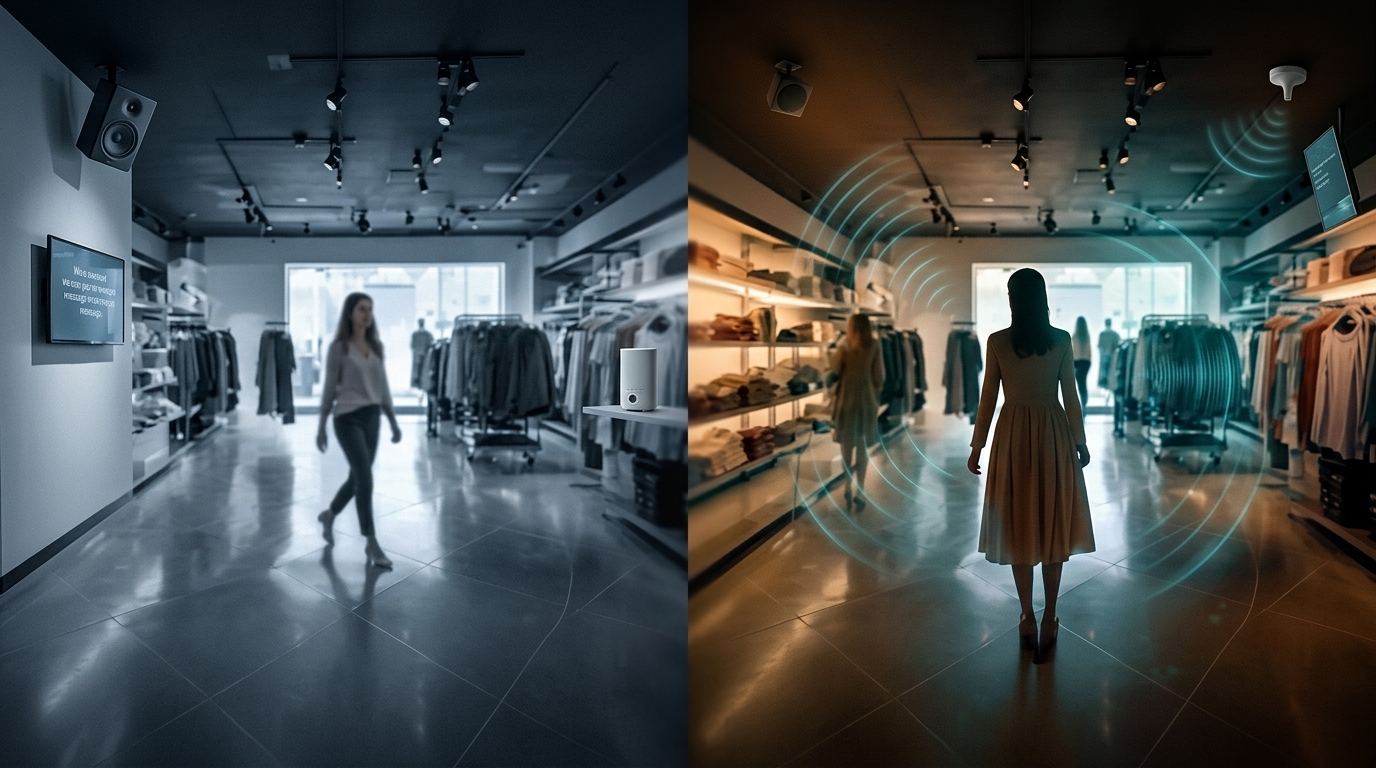
Managing multiple systems in retail environments is more than just a technical challenge. It's a fundamental barrier to delivering a consistent brand experience.
Inconsistencies in Store Experience
Fragmented systems lead to varied experiences across locations. One store might have the perfect music, while another misses the mark entirely. These differences confuse customers and dilute your brand message. Every location should evoke the same feelings and memories. Without a unified approach, achieving this is nearly impossible. A single platform ensures that every touchpoint aligns with your brand's identity and values.
Managing Multiple Systems
Juggling different systems for audio, scent, and visual elements is a logistical nightmare. Each requires its own management, updates, and troubleshooting. This complexity burdens your team and increases the chance of errors. Imagine having to coordinate separate updates for music, signage, and scent across 100 locations. It's inefficient and risky. A unified system simplifies this process by centralizing control, saving time and reducing errors.
Operational Costs of Fragmentation
Running several systems is not just a hassle; it’s expensive. The cost of managing multiple vendors and technologies quickly adds up. These resources could be better spent on enhancing customer experiences. By consolidating systems, you reduce overhead and free up funds. This approach not only saves money but also allows you to invest in areas that directly impact your bottom line.
Benefits of a Unified Platform
Moving from fragmented tools to a single platform transforms how you manage your retail environment and the outcomes you can achieve.
Consistent Execution Across Locations
Consistency is key in retail. A unified platform ensures every store delivers the same high-quality experience. Customers will recognize and appreciate the uniformity, building trust in your brand. When your stores feel, sound, and look the same, it strengthens brand loyalty and encourages repeat visits. It's a simple way to keep customers coming back.
Commercial Impact of Centralised Control
Centralized control isn't just about simplicity; it drives commercial success. By managing everything from one point, you can implement strategies that have a real impact on sales. When your messaging is consistent and on-brand, it influences customer behavior at the point of purchase. This coordinated approach turns your store into a well-oiled machine that boosts revenue.
Streamlined Workflows for Multi-Site Brands
A unified platform streamlines workflows, allowing your team to focus on strategic goals rather than operational headaches. With everything managed from one system, you reduce the need for extensive training and support. Teams can quickly adapt to changes, ensuring a smoother operation. This efficiency translates into better performance across all locations, enhancing your overall business outcomes.
RetailOS: The Solution
Storeplay's RetailOS is designed to overcome the challenges of fragmented environments by orchestrating all elements of the in-store experience.
Orchestrating Every Touchpoint
RetailOS brings together music, scent, digital display, and retail media into one cohesive system. This orchestration ensures that every element of your store environment works in harmony. With RetailOS, you can manage and adjust every aspect from a single dashboard, providing a seamless experience for both your staff and customers. This level of control is unmatched, allowing you to create an environment that truly reflects your brand.
Measuring In-Store Impact
RetailOS doesn't just manage your environment; it measures its effectiveness. By providing detailed analytics, you can see exactly what's working and where there's room for improvement. This data-driven approach helps you refine your strategies to maximize impact. Understanding what drives sales and engagement allows you to make informed decisions that enhance your store's performance.
Retail Network Diagnostic
To fully leverage RetailOS, start with a diagnostic of your retail network group. This process identifies areas where your current setup falls short and outlines how RetailOS can enhance your operations. By diagnosing these issues upfront, you set the stage for a successful transition to a unified platform. It's the first step in transforming your stores into consistent, revenue-driving environments.
Embracing a unified platform like RetailOS is not just a smart move for efficiency; it's a strategic decision that aligns your brand, operations, and customer experience.
The benefits are clear: increased consistency, reduced costs, and enhanced commercial impact.
Isn't it time you took control of your retail environment?
.png)
Integration Beats Silo: Unified Music, Scenting & Digital in Retail
.png)
The case for centralized in-store experience management in multi-site retail
-1.png)